Bedrock Energy Corp.
Data & Energy Sovereignty
Canada is being asked to host the computing its next decade will run on. That computing needs electricity which is firm, clean enough to meet the country’s commitments, and under domestic control. Those three conditions are harder to meet together than any one of them alone.

Demand is returning faster than firm supply
The IESO’s 2026 Annual Planning Outlook forecasts Ontario demand growing by 65 per cent, to roughly 250 terawatt-hours a year by 2050. Data centres account for 8.6 per cent of that demand, sixty per cent above the previous year’s forecast. By mid-2025, more than 6,500 megawatts of data-centre projects were already seeking a connection to the Ontario grid: close to a third of the province’s entire 2024 peak.
The province has been clear about the consequence. New large loads now require ministerial approval, and projects that can supply their own power are to be viewed more favourably than those that cannot.
The constraint is firm power
A large computing hall is not like a factory. It runs at close to constant load every hour of the year, including the hours when the wind drops and the sun is down. Renewables and short-duration batteries cannot carry that profile on their own, and a grid asked to carry it instead has to build for the peak.
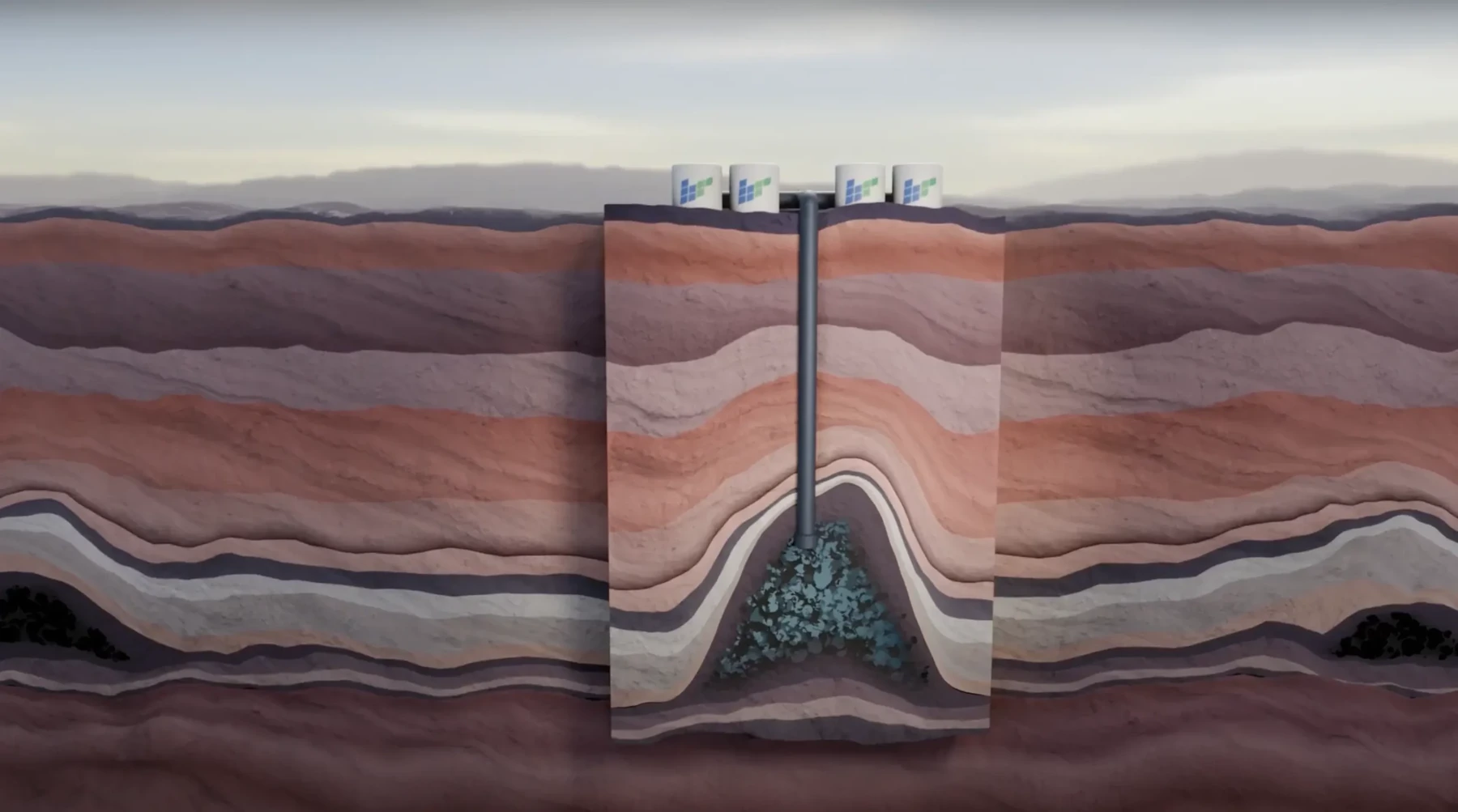
A mixed fleet can carry it: long-duration storage for the daily cycle, firm generation for the long calm, batteries for the seconds and minutes. Put that fleet on the same site as the load and the grid is relieved rather than burdened.
Sovereign compute needs sovereign power
Data sovereignty arguments usually stop at where the servers sit and who owns them. They should go one step further. A facility that depends on a grid it cannot influence, in a jurisdiction procuring power it did not plan for, is not sovereign in any sense that survives a hard winter.
Powered land answers that. A Canadian-owned site with its own generation, its own storage and its own connection can guarantee supply by contract rather than by hope.
What Bedrock does, and what it does not
Bedrock develops the land, the power and the connection. It does not operate data centres and does not intend to. The computing is somebody else’s expertise, and the right partner for it is chosen carefully rather than quickly.
What Bedrock can offer is the part that takes nine years and cannot be bought in a hurry: geology that already exists, transmission that already crosses the site, and the regulatory groundwork to use both.
Get in touch
Talk to Bedrock
Landowner, municipality, supplier or press: tell us who you are and we'll route you to the right person.
Contact us